
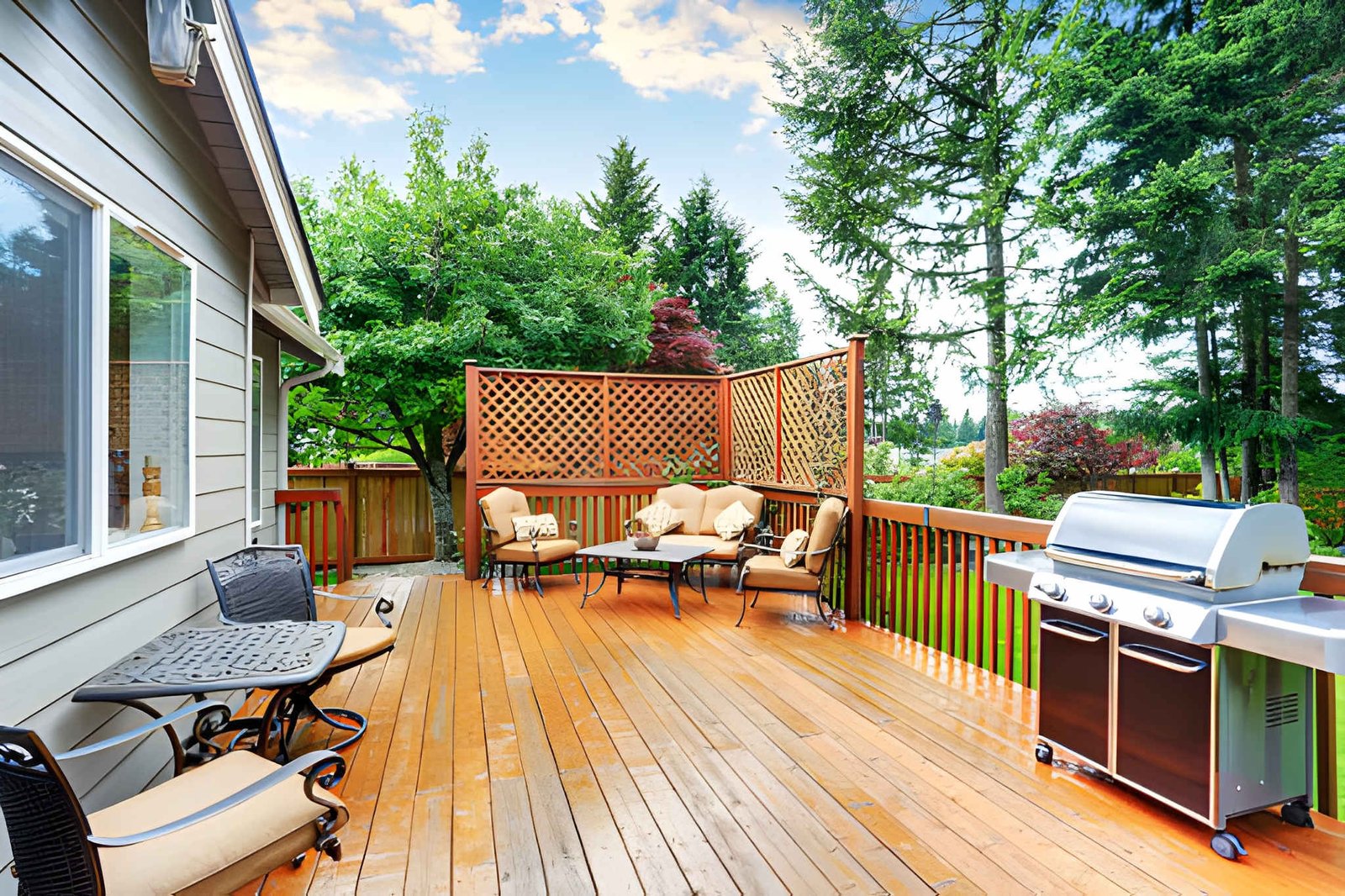
Designing an outdoor kitchen can feel surprisingly emotional. At first, it is all excitement, picturing family dinners outside, relaxed weekend cooking, maybe the sound of laughter drifting through the yard. But then comes the real decision: choosing the grill. And that step often takes longer than expected because the grill is not just equipment. It becomes the centre of the entire space, shaping how you cook and how people gather around you.
When homeowners explore permanent built-in options, ceramic grills often catch attention because of their versatility and steady heat control. A Kamado Joe built-in BBQ setup is commonly appreciated for its ability to handle everything from quick searing to slow smoking without constant adjustments. BBQs2u in the UK also provides practical guidance through its website, helping buyers understand layout planning, installation considerations, and compatibility with outdoor kitchen designs, which can make the whole process feel far less confusing.
Start With Your Cooking Style
Before comparing brands or features, pause and think about how you actually cook. Not how you wish you might cook someday, but what you realistically do.
Ask yourself:
- Do you mostly cook for family meals or large gatherings?
- Are you into quick weeknight grilling?
- Do you enjoy experimenting with slow cooking methods?
- How often will you use the grill?
Assuming you are a fan of variety, having a grill that lets you work comfortably with both high and low temperatures will make a considerable difference in the long term.
Consider Space and Layout Carefully
Underestimating the space needs is one of the most widespread errors. A grill should not only have a place to sit, but also the necessary space to move freely and space to prepare food.
Things to keep in mind:
- Available countertop space
- Lid clearance and ventilation requirements
- Distance from seating areas
- Overall kitchen workflow
An efficient layout is comfortable to cook in, while a crowded one becomes annoying.
Heat Control Matters More Than You Think
Stable temperature is a major contributor to successful cooking. Even simple meals cannot be certain without it.
Look for grills with:
- Adjustable airflow systems
- Thick insulation for heat retention
- Multi-level cooking surfaces
- Compatibility with accessories like pizza stones or rotisserie kits
These will help keep your cooking consistent and broaden the variety of things you can cook outside.
Balance Budget With Long-Term Value
Price is always a factor in the choice; however, focusing only on initial cost may lead to disappointments along the way.
Consider long-term factors such as:
- Material durability
- Warranty coverage
- Maintenance requirements
- Fuel efficiency over time
Spending slightly more upfront often results in fewer repairs and smoother performance in the long run.
Final Thoughts
The process of choosing a grill is not about following the general trends or choosing the most expensive one. It is all about aligning your grilling and meal making preferences, outdoor space, and expectations. When you discover that balance, the grill becomes not so much a tool as the centre of your outdoor kitchen, where you have lunch and talk, and daily experiences come together.
